The Upcoming Era of Residential Décor: Advanced Contemporary Light Fixtures You Ought to Check Out
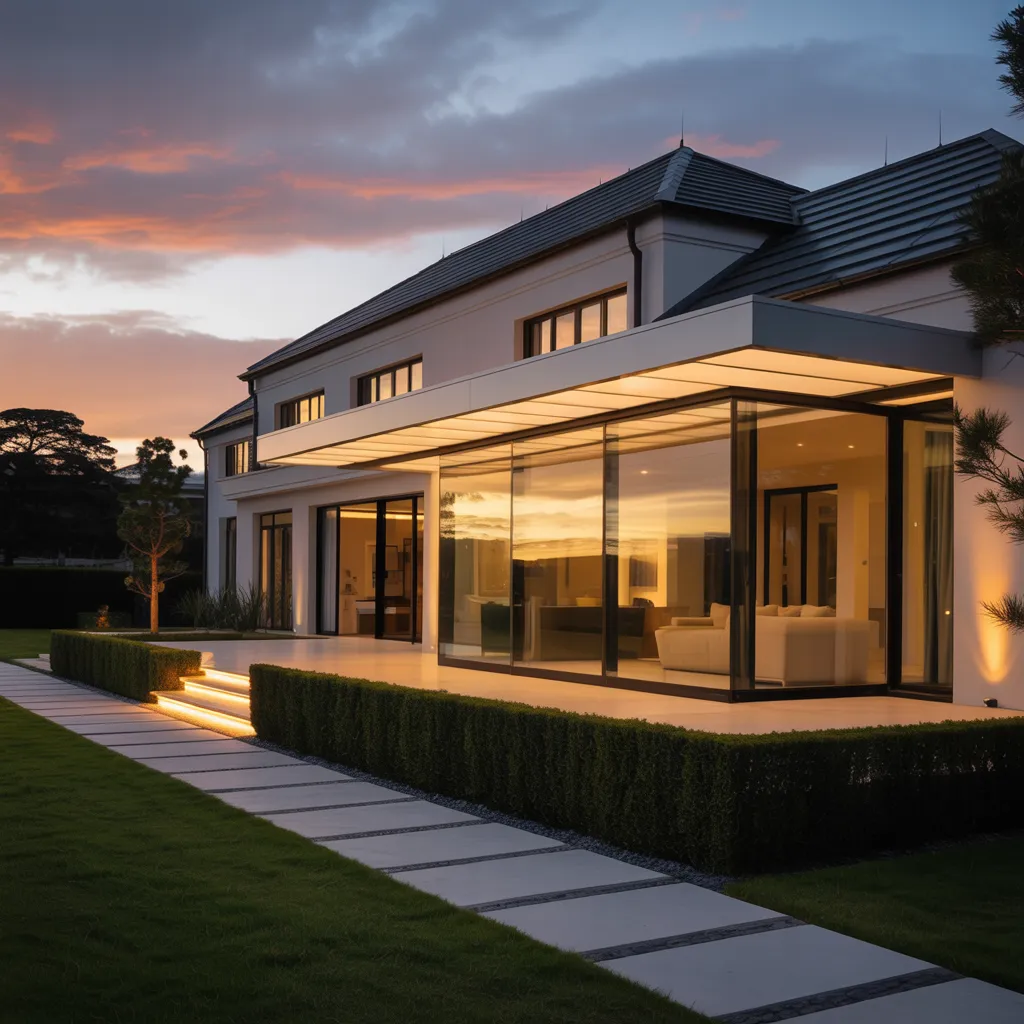
The outlook of home styling is increasingly driven by innovative modern roof lanterns. These architectural features enhance natural light and embed smart technology for improved climate control. As trends mature, geometric shapes and renewable materials dominate the scene, pointing to a progression toward wellness-driven environments. Understanding the rich benefits and applications of roof lanterns can transform how spaces are utilized. What implications do these innovations have for the homes of tomorrow?
The Advantages of Modern Roof Lanterns
State-of-the-art roof lanterns offer countless of benefits that enhance both the aesthetics important resource and practicality of spaces. These structural components serve as impressive highlights, facilitating radiant light to flood interior areas, which can generate a notion of openness and warmth. By improving natural penetration, skylights reduce reliance on electric lighting, thereby promoting energy efficiency.
In addition, they can improve ventilation when engineered with operable features, fostering a healthier home atmosphere. The use of excellent materials ensures durability and low maintenance, making roof lanterns a valuable investment.
Aside from their functional advantages, these structures can strengthen the overall design of a home, merging effortlessly with various construction styles. By introducing modern roof lanterns, homeowners can gain the dual benefits of enhanced aesthetics and superior energy performance, making them a preferred selection in contemporary design.
Stunning Design Trends for Roof Lanterns
As property owners more and more want to fuse style with practicality, innovative design trends for roof lanterns are emerging to meet these demands. One prominent trend is the use of geometric shapes, which adds a contemporary flair to classic aesthetics. These geometric forms not only enhance aesthetic appeal but also increase daylight penetration. Additionally, nature-inspired design features are gaining traction, integrating organic elements like wood and stone to create a smooth transition between indoor and outdoor spaces.
A emerging tendency is the incorporation of smart technology, allowing for adjustable illumination and climate control, enhancing both ease of use and power conservation. Customizable color options are also gaining traction, allowing property owners to customize their lanterns to match particular design styles. Ultimately, minimalist designs are on the rise, emphasizing clean lines and minimalism, which connect with modern sensibilities while maintaining practicality. Collectively, these movements are transforming how skylight fixtures are perceived and utilized in modern home design.
Selecting the Ideal Roof Lantern for Your Home
What method should property owners take to find the perfect roof lantern that matches their distinct style and functional needs? Initially, they should consider the design style of their home. A contemporary lantern could be suitable in a contemporary space, while a more traditional design might enhance a classic home. Then, determining the purpose is important; whether for natural light, ventilation, or visual charm, the selected lantern should deliver specific benefits.
Size also plays a critical role. A larger lantern may create a impressive focal point, whereas a smaller one might blend seamlessly into the existing structure. Homeowners should assess their local climate, as well, since this can affect material choices and insulation needs. Finally, it's essential to keep energy efficiency in mind; opting for double-glazed options can enhance insulation while lowering energy costs. By weighing these factors, homeowners can confidently choose a roof lantern that enhances both form and function in their living space.
Advanced Materials in Roof Lanterns

An array of modern substances are reshaping the design and functionality of roof lanterns. Modern roof lanterns increasingly utilize substances such as structural glass, which provides enhanced durability and clarity, allowing for optimized natural light. The use of aluminum in frames creates a lightweight yet robust structure, capable of withstanding various weather conditions while decreasing maintenance needs. Additionally, polycarbonate panels are gaining popularity due to their impact resistance and energy efficiency, making them a practical alternative to traditional glass.
Also, advancements in finishing and coating techniques, such as independent cleaning or solar-reflecting options, are helping the lasting power and performance of these applications. These materials not only enhance the look but also improve the overall user experience, ensuring that roof lanterns are both functional and chic. As these improvements progress, they are setting new standards in the realm of home design, particularly in the integration of natural lighting.
Maximizing Better Energy Performance Via Roof Lanterns
Roof lanterns greatly enhance power savings in modern homes by enhancing natural light and reducing dependence upon artificial lighting. By letting sunlight to fill living spaces, these design elements lessen the need for electric lighting during the day, producing lower energy consumption. The deliberate location of roof lanterns can brighten entire rooms, creating bright, inviting environments without the associated charges of electrical illumination.
Furthermore, numerous current roof lanterns are constructed with eco-friendly glazing, which helps preserve indoor temperatures by reducing heat loss. This characteristic aids overall cost reduction, as diminished heating or cooling demands can significantly lower utility bills. Furthermore, the greater natural light can enhance residents' health, promoting a healthier living environment. In summary, roof lanterns function not only as decorative features but also as practical solutions for energy efficiency in modern home design.
Creative Methods to Incorporate Roof Lanterns at Home
Natural light enhances energy conservation while also unlocking a world of creative possibilities for home design. Roof lanterns act as stunning architectural elements that can enhance any space. In living areas, they can establish a bright centerpiece, elevating the overall ambiance while allowing for an uninterrupted view of the sky.
In cooking spaces, roof lanterns light up workspaces, turning them more inviting for family gatherings and food preparation. They can also be placed in bedrooms, where they create a tranquil atmosphere, perfect for rest.
Homeowners can incorporate roof lanterns into outdoor spaces, such as patios or garden rooms, erasing the boundary between indoor and outdoor living. Additionally, carefully positioning roof lanterns above staircases or hallways can add warmth and depth to otherwise dark areas. Ultimately, the creative application of roof lanterns can transform how natural light is embraced in modern homes.
Tips for Maintaining Roof Lanterns
Maintaining skylight lanterns is important for maintaining their aesthetic appeal and function. Regular cleansing is vital; homeowners should use a soft fabric and gentle cleaning solution to remove dirt and grime from the glass surfaces. It is advisable to avoid abrasive cleaners that can scratch the glass. Additionally, inspecting the seals and frames periodically guarantees that there are no leaks or structural issues. If any damage is found, prompt repairs can prevent further deterioration.
Moreover, clearing the space around the lantern from debris, such as leaves or branches, helps preserve proper drainage and airflow. It is important to check for signs of deterioration on any electrical components, including lights or wiring. Finally, maintenance before winter, particularly before winter, can protect the roof lantern from adverse weather. Adhering to these tips will keep roof lanterns looking striking while boosting their functional benefits.
Frequently Posed Questions
How Much Are Modern Roof Lanterns Generally?
Contemporary roof lanterns often total between £500 and £2,500, contingent on size, material, and design complexity. Installation outlays could also differ, shaping the final budget for homeowners weighing this architectural refinement.
Is it feasible to install skylights on established roofs?
Yes, roof skylights can be installed on existing roofs, as long as the structure can support the additional weight. Professional assessment is recommended to ensure proper installation and compliance with local building regulations for ideal performance and safety.
Which Orientation Works Most Effectively for Roof Lanterns?
Facing south is the best orientation for roof lanterns, optimizing sunlight exposure throughout the day. This location upgrades natural light, increases energy efficiency, and creates a warm, inviting atmosphere within the living space underneath.
Do roof lanterns function properly in various climate conditions?
Roof lanterns are reasonably appropriate for varied climates, though considerations such as insulation, ventilation, and weather resistance are necessary. Proper installation assures they perform optimally in both warm and cold environments, improving sunlight and appearance.
How Do Roof Lanterns Impact Home Resale Value?
Roof lanterns can favorably influence home resale value by boosting natural light and aesthetic appeal. Their sleek appearance often draws buyers, potentially resulting in better bids and quicker sales in tough housing markets.
Comments on “Affordable Roof Lanterns for Kitchen Extensions”